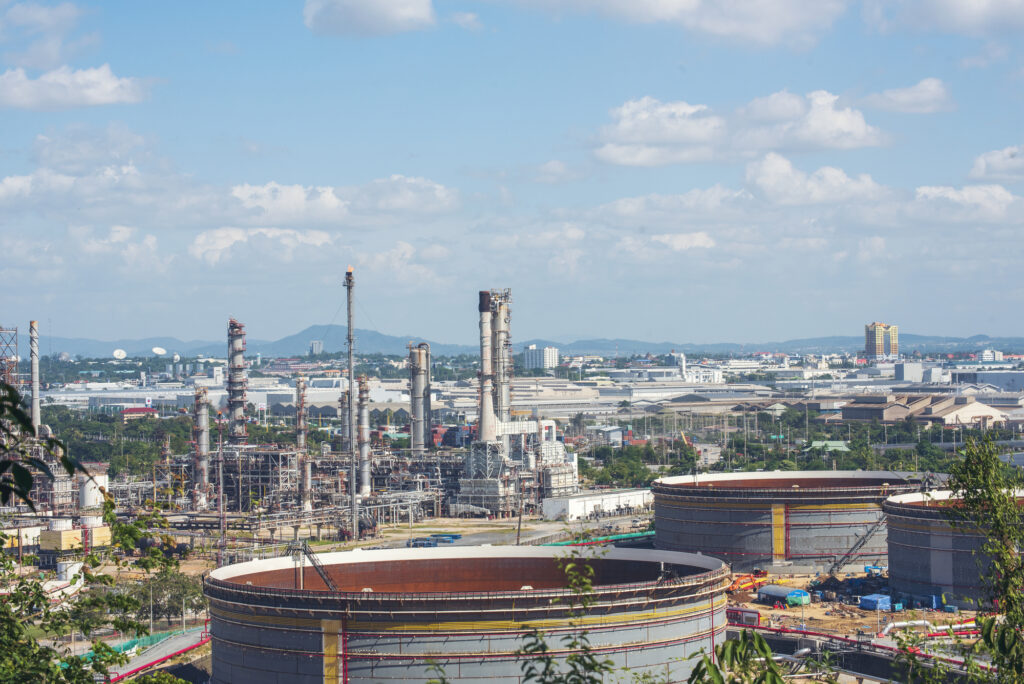
In heavy manufacturing facilities, petrochemical plants, and industrial processing units, reliable low-voltage (LV) power distribution is the backbone of daily operations. Low-voltage power networks—typically operating at 0.6/1kV—energize critical motor controls, lighting circuits, automation panels, and auxiliary machinery.
When unexpected electrical failures occur, they frequently trace back to premature degradation of the low-voltage industrial cable infrastructure. Because LV cables are routed throughout complex facility floors, underground conduits, and tight cable trays, overlooking minor environmental stressors can lead to insulation breakdown, short circuits, and costly facility downtime.
Primary Root Causes of Industrial LV Power Distribution Failures
Understanding why industrial cables fail helps electrical engineering teams implement proactive maintenance and preventative design strategies.
Thermal Overload and Excessive Current Stress
Continuous operation near or above a cable’s ampacity limit accelerates thermal aging. Excessive current generates high internal temperatures that degrade polymer insulation materials (such as PVC or XLPE), causing brittleness, micro-cracking, and eventual dielectric breakdown.
Mechanical Stress and Physical Impact
Industrial plants involve heavy machinery, fork truck traffic, and vibration. Unarmored cables routed across open racks or low-clearance conduits are highly vulnerable to crushing, pinching, and accidental puncture during routine facility maintenance.
Moisture Ingress and Chemical Contamination
Exposure to processing chemicals, cutting oils, solvents, and ambient moisture compromises outer sheathing integrity. Once moisture penetrates the jacket and reaches the conductor core, it triggers accelerated copper corrosion, tracking, and electrical faulting.
Preventative Engineering Strategies for Plant Electrical Reliability
Mitigating LV power distribution failures requires robust material selection and protective installation practices.
Deploying Armored Power Cables
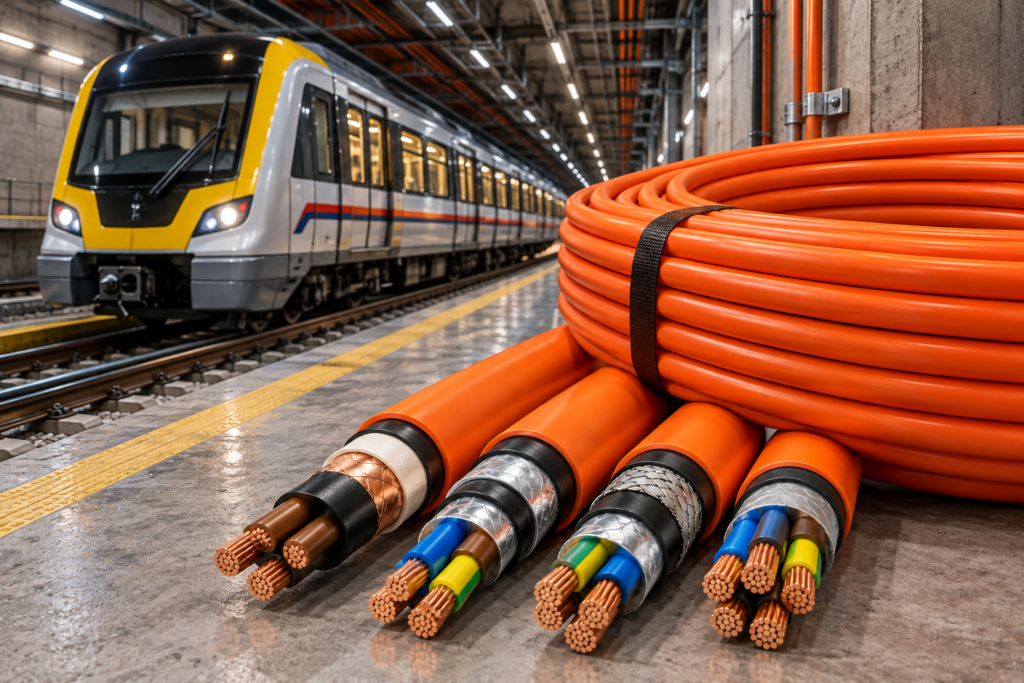
To eliminate physical damage from falling debris, crushing loads, and accidental impact, facilities should specify armored power cables incorporating Galvanized Steel Wire Armor (SWA) or Steel Tape Armor (STA). The metallic armor layer absorbs external mechanical shocks while shielding internal conductors from stress.
Specifying Chemical- and Oil-Resistant Sheathing
Selecting outer jackets made from robust compounds such as Low Smoke Zero Halogen (LSZH) or Heavy-Duty Chloroprene which prevents chemical degradation when cables are exposed to industrial lubricants, cleaning agents, and aggressive plant environments.
Rigorous Insulation Monitoring and Testing
Implementing scheduled diagnostic routines including insulation resistance (Megger) testing, partial discharge monitoring, and thermal infrared thermography identifies localized heating and minor insulation decay before catastrophic failure occurs.
Frequently Asked Questions (FAQs)
1. How does steel wire armoring prevent industrial cable failures?
Steel wire armoring (SWA) provides a tough mechanical barrier that protects internal conductors from physical crushing, heavy impacts, and accidental cuts.
2. What is the primary sign of thermal degradation in LV cables?
Insulation brittleness, discoloration, and micro-cracking caused by sustained operational temperatures exceeding the cable’s rated thermal threshold.
3. Why is moisture ingress dangerous for low-voltage power distribution?
Moisture penetration breaks down dielectric insulation properties, leading to electrical tracking, short circuits, and accelerated conductor corrosion.
Upgrade Your Plant's Electrical Reliability
Ensure uninterrupted power distribution across your facility with rugged, industrial-grade wiring solutions. Apex Marine & Industrial Cables supplies high-performance, armored low-voltage power and control cables designed to withstand demanding industrial operating environments.
-
Browse Industrial Cable Catalog: Review technical datasheets for armored LV power distribution cables.
-
Consult Our Engineering Team: Contact our specialists today for facility audit assistance and custom cable procurement solutions.