When specifying electrical cables for industrial facilities, power distribution plants, or marine vessels, engineers often focus heavily on insulation voltage ratings and outer sheath resistance. However, the core mechanical and electrical behavior of any cable is governed by its internal copper conductor build, specifically its conductor classification under IEC 60228.
Misapplying a rigid conductor in a dynamic environment can cause mechanical metal fatigue, while using a flexible conductor in fixed long-distance runs can introduce electrical resistance penalties. This guide analyzes the structural, thermal, and electrical performance differences between IEC 60228 Class 2 stranded conductors and Class 5 flexible copper conductors.
Structural Breakdown: Stranding Geometry and Wire Diameters
The fundamental distinction between conductor classes lies in the number and diameter of the individual copper wires bundled inside the core.
Class 2 Stranded Conductors
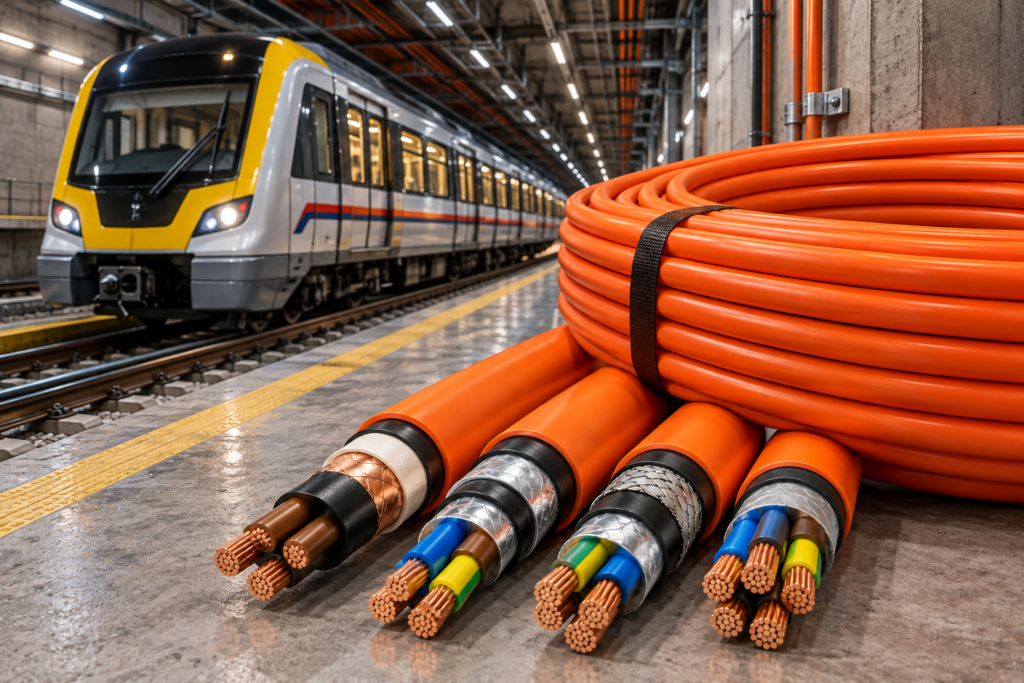
Structure: Constructed from a small number of relatively thick, annealed copper wires (e.g., 7, 19, or 37 strands depending on cross-sectional area). These strands are frequently compressed during manufacturing to minimize air voids.
Mechanical Character: Rigid with high tensile and crush resistance. Holds its shape once bent into place along fixed cable trays or risers.
Class 5 Flexible Conductors
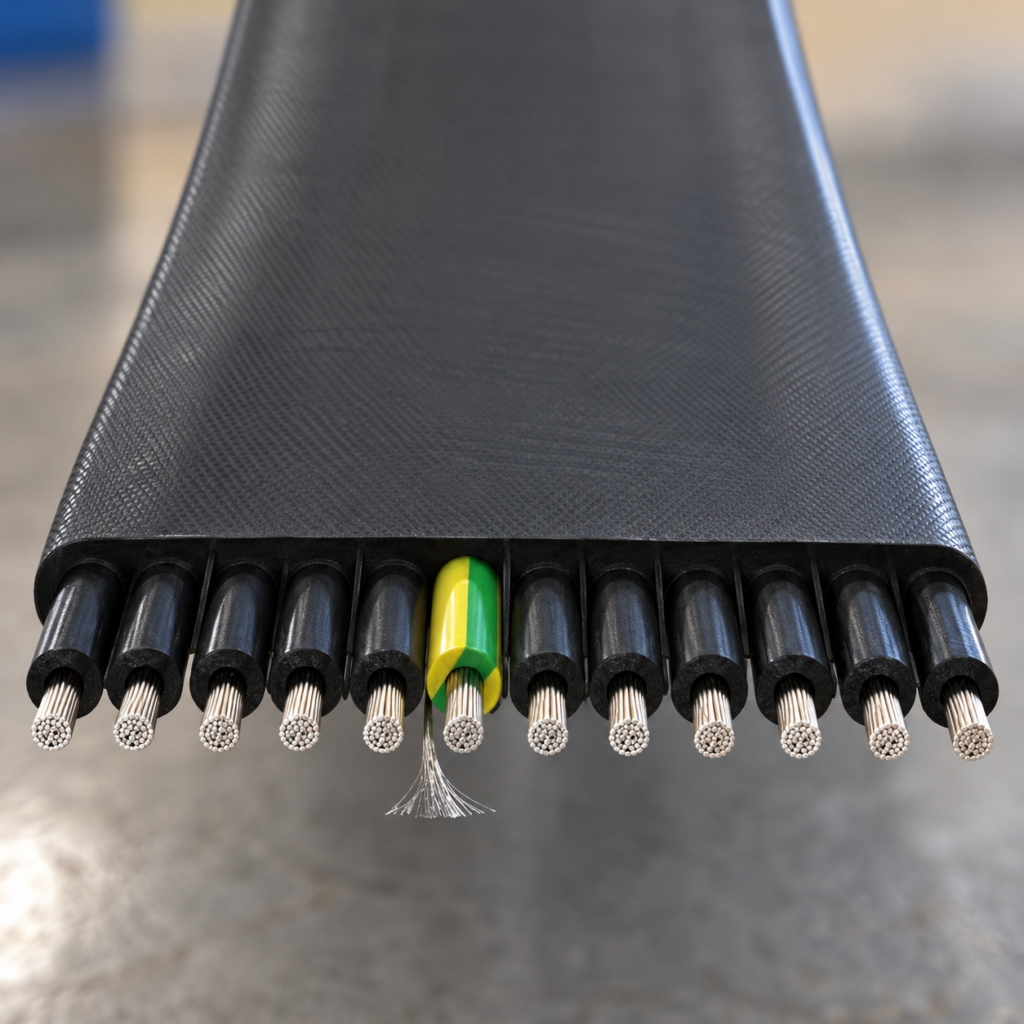
- Structure: Made from a much larger volume of fine, soft-annealed copper wires loosely bunched together.
- Mechanical Character: Highly pliable and easy to route around tight corners, through conduits, and inside cramped control panels.
Key Structural Components of High-Flex Marine Cables
Polyurethane (PUR): Offers high abrasion resistance, cut propagation resistance, and flexibility. Ideal for exposed deck cranes subject to sea spray and mechanical drag.
Thermoplastic Elastomer (TPE): Designed for extreme continuous flex cycles in heavy-duty drag chains and high-vibration engine automation arrays.
Electrical Performance: DC Resistance and Thermal Considerations
While both classes can deliver equivalent rated currents when sized appropriately, their structural geometry creates subtle electrical performance variations:
DC Resistance: Because Class 5 conductors contain a higher ratio of surface air gaps between the fine strands, their effective cross-sectional copper density is slightly lower than a compacted Class 2 conductor of the same nominal size. Consequently, Class 5 conductors exhibit 5% to 15% higher DC electrical resistance per kilometer.
Thermal Dissipation: The increased micro-gaps within fine-stranded Class 5 cores can trap heat slightly more than solid/compacted Class 2 conductors under maximum load conditions. For static, high-amperage primary power feeds, Class 2 conductors remain the most thermally efficient choice.
Frequently Asked Questions (FAQs)
1. What is the primary physical difference between IEC Class 2 and Class 5 conductors?
Class 2 consists of a few thicker, rigid strands for static routing, whereas Class 5 uses hundreds of fine, soft-annealed wires for high flexibility.
2. Do Class 5 flexible conductors have higher electrical resistance than Class 2?
Yes, micro air gaps between fine strands result in a slightly higher DC resistance (roughly 5% to 15% higher) per kilometer.
3. Why are crimp ferrules required when terminating Class 5 cables?
Ferrules bind the fine strands together, preventing terminal screws from shearing individual wires and causing loose or overheated connections.
Upgrade Your Vessel's Moving Machinery Wiring
Optimizing cable performance requires matching the conductor class to your installation environment. Apex Marine & Industrial Cables manufactures a complete line of Class 2 static power cables and Class 5 flexible control wires built to international standards.
Download IEC Conductor Specification Guide: Review stranding tables, current ratings, and resistance metrics.
Consult Our Technical Specialists: Get expert guidance on choosing the right conductor class for your project.