
Offshore Wind Turbine Tower Cabling: Managing Torsion and Drip-Loop Dynamics
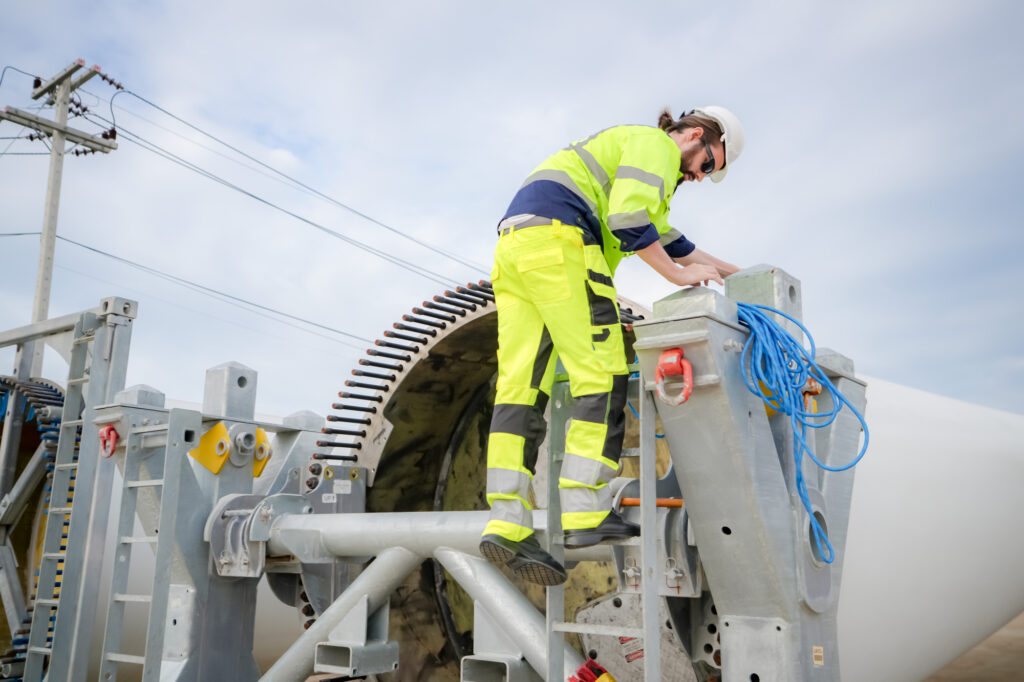
Offshore wind turbines operate under severe dynamic stress, with nacelles continuously yawing to face changing winds. Discover the mechanical engineering, compound chemistry, and drip-loop design governing torsion-resistant offshore wind turbine cables.
Low-Voltage (LV) Power Distribution Failures: Identifying Common Causes in Industrial Plants
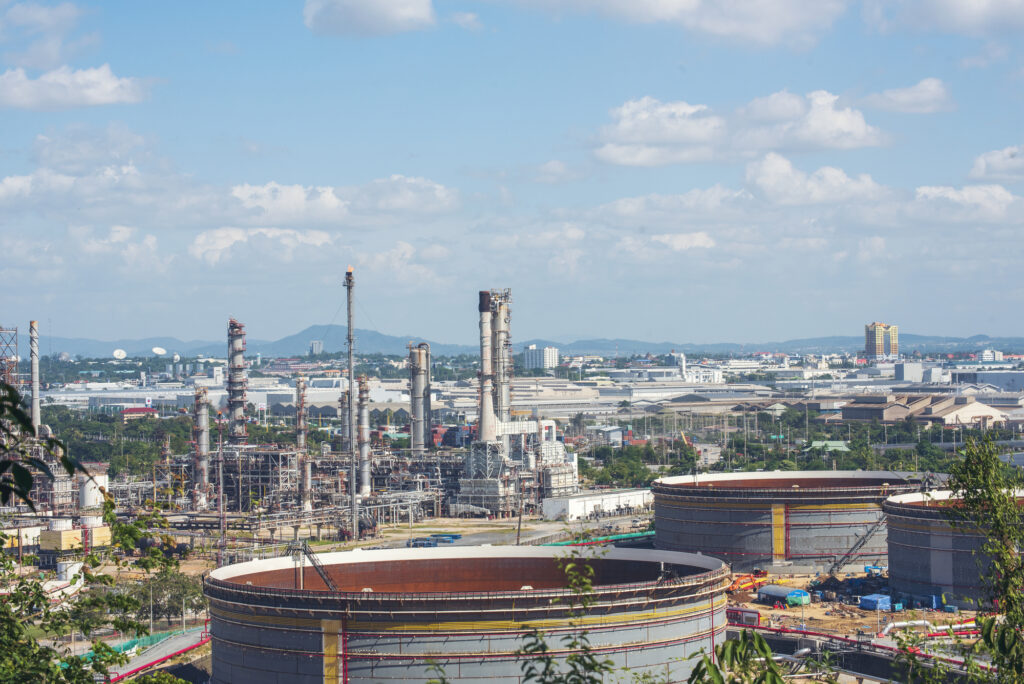
Unexpected downtime in industrial plants often traces back to LV power cable degradation. Explore common failure modes, insulation breakdown triggers, and preventative armoring strategies.
Managing Flame Propagation Risks in using Fire Resistent Cable for Railway Tunnel
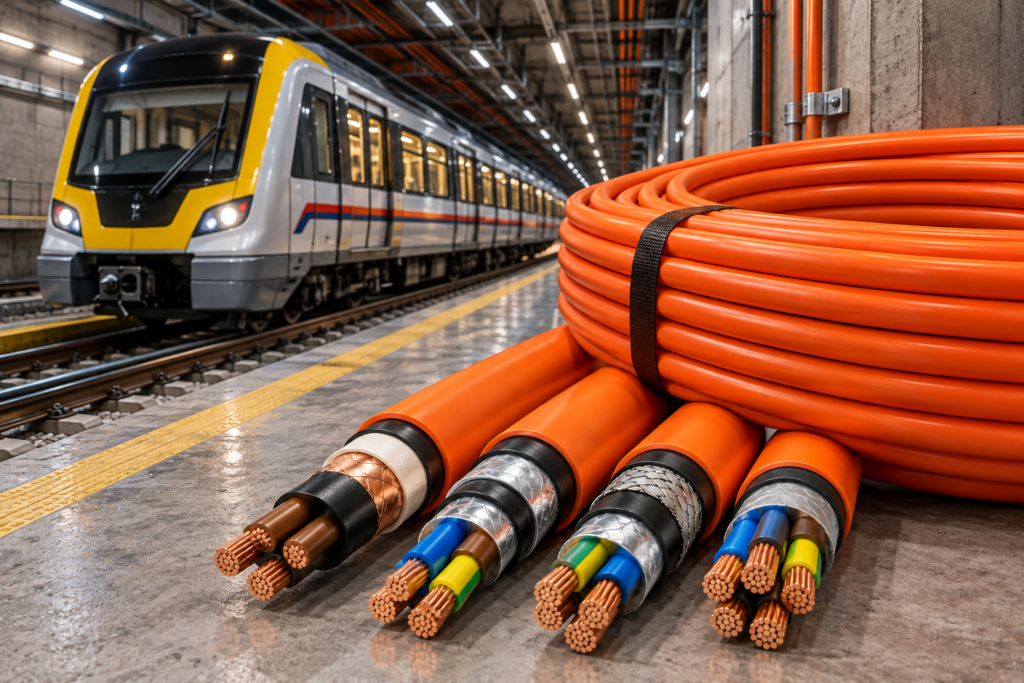
Subterranean rail networks present severe evacuation and fire safety challenges. Discover the material science, mica-tape barriers, and international standards governing railway tunnel fire-resistant cables that keep emergency power, smoke extraction, and signaling operational during underground fire incidents.
Selecting Flat Trailing Cables for High-Speed Container Cranes
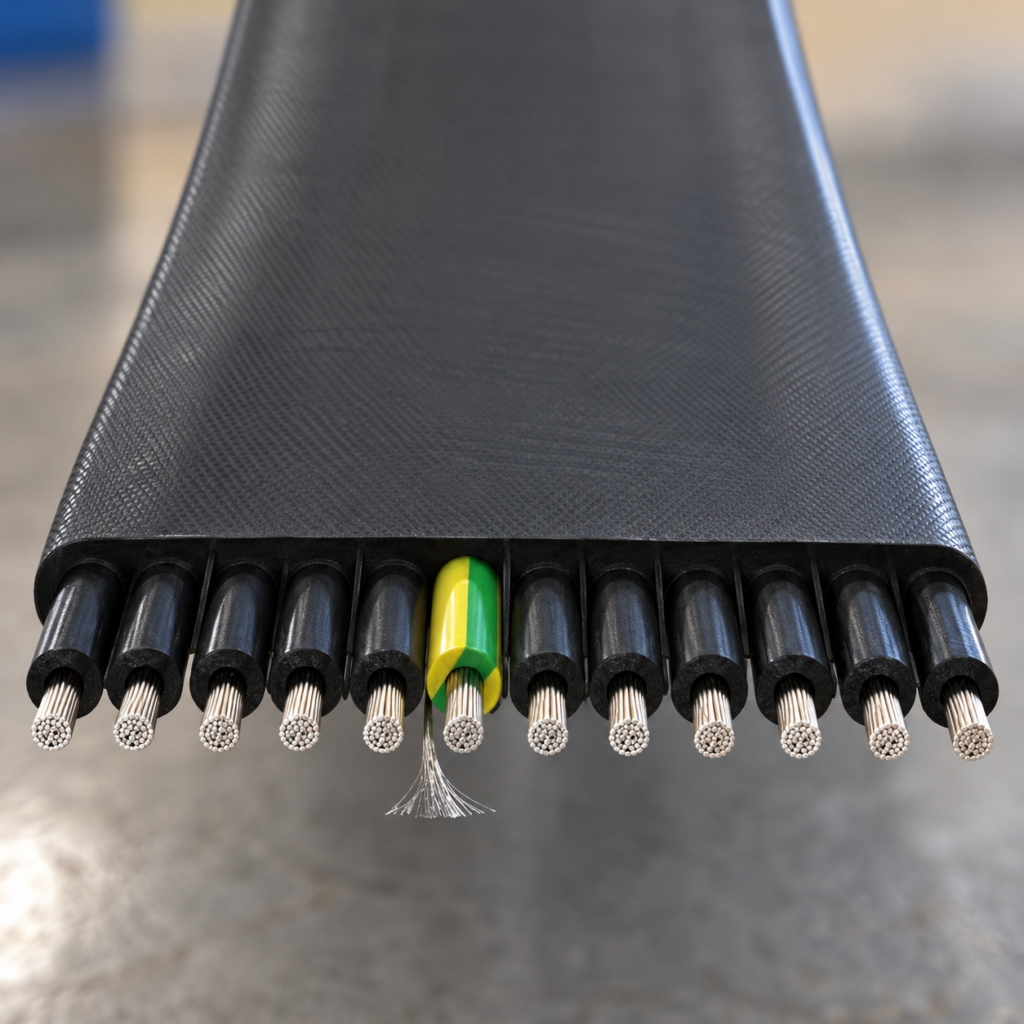
High-speed ship-to-shore (STS) gantry cranes and rubber-tyred gantry (RTG) systems require continuous power and data delivery across high-velocity travel tracks. Discover the mechanical engineering, compound chemistry, and festoon geometry governing flat trailing crane cables in modern port logistics infrastructure.
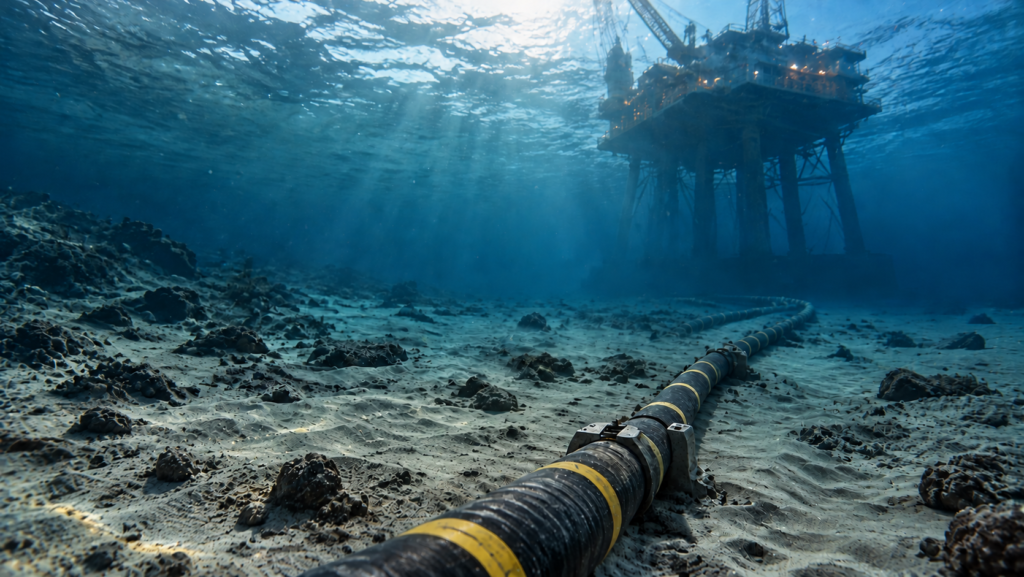
Protecting Subsea and Offshore Power Cables from Mechanical Impact and Anchor Damage
High-ambient heat in steel mills, glass manufacturing plants, and industrial furnaces rapidly degrades standard wiring. Learn how silicone rubber and fluoropolymer compounds endure extreme temperatures.
The Importance of Copper Conductor Classifications (Class 2 vs. Class 5) in Flexible Wiring
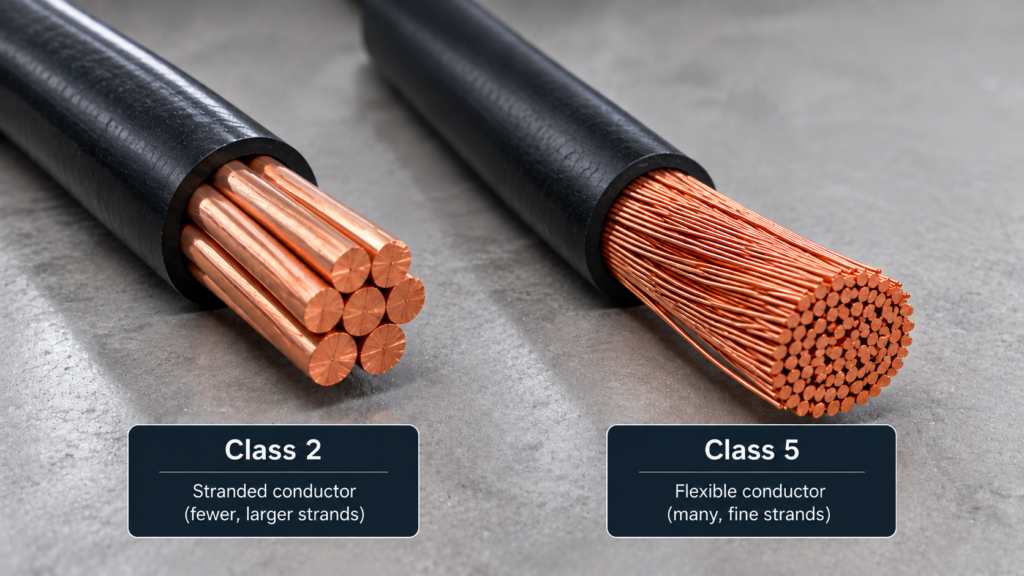
Selecting the correct copper conductor class is vital for electrical system safety and lifespan. Understand the structural differences, DC resistance variations, and application boundaries separating IEC 60228 Class 2 and Class 5 conductors.
Flexible Control Cable Selection for Automated Shipboard Machinery and Cranes
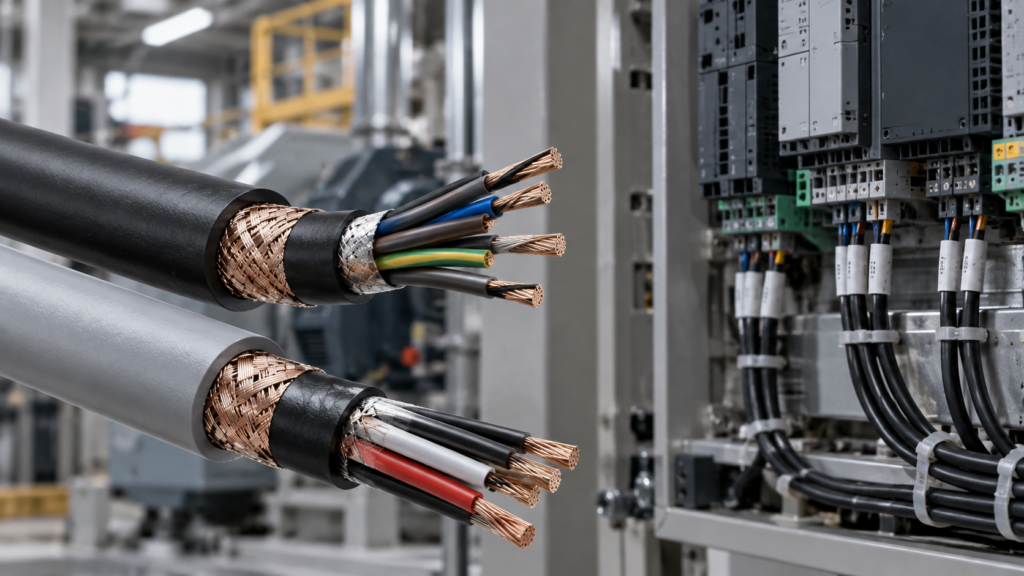
High-cycle dynamic movement on shipboard deck cranes and automated machinery rapidly fatigues standard wiring. Learn how fine-stranded conductors and flex-rated jackets extend cable operating life.
Solar PV Cable Installation Best Practices: Managing UV Degradation and Thermal Stress
Solar array cabling faces continuous solar radiation, extreme temperature fluctuations, and environmental wear. Learn how UV-stabilized, cross-linked compounds safeguard long-term photovoltaic plant performance.
Mitigating Electromagnetic Interference (EMI) in Marine Instrumentation Cables
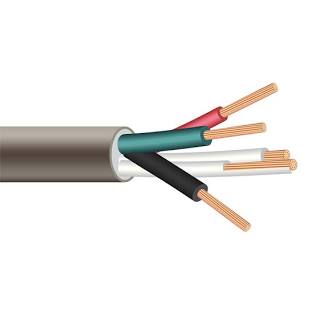
Shipboard automation depends on clear signal transmission across complex control loops. Learn how individual/overall aluminum-foil screening, tinned copper braiding, and proper grounding protect marine instrumentation signals from EMI.
Intrinsically Safe Instrumentation Wiring for Offshore Extraction Platforms
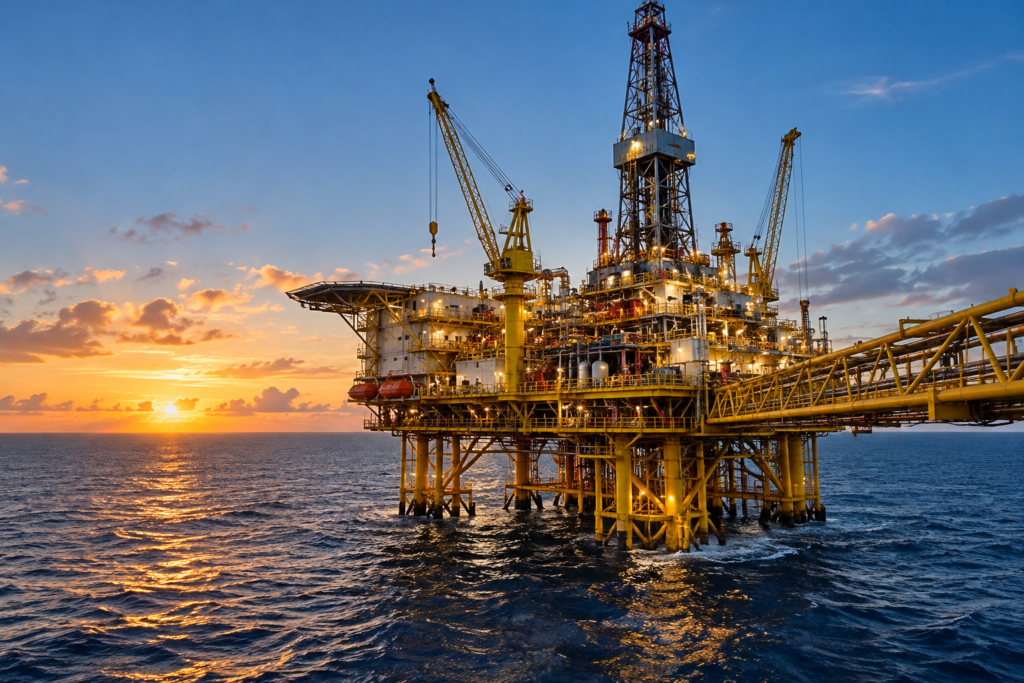
Discover how intrinsically safe instrumentation cables support offshore platform safety and reliable signal transmission in hazardous environments. Learn about cable electrical characteristics, insulation, screening, environmental resistance and key IEC standards to consider when specifying instrumentation cables for offshore oil and gas applications.